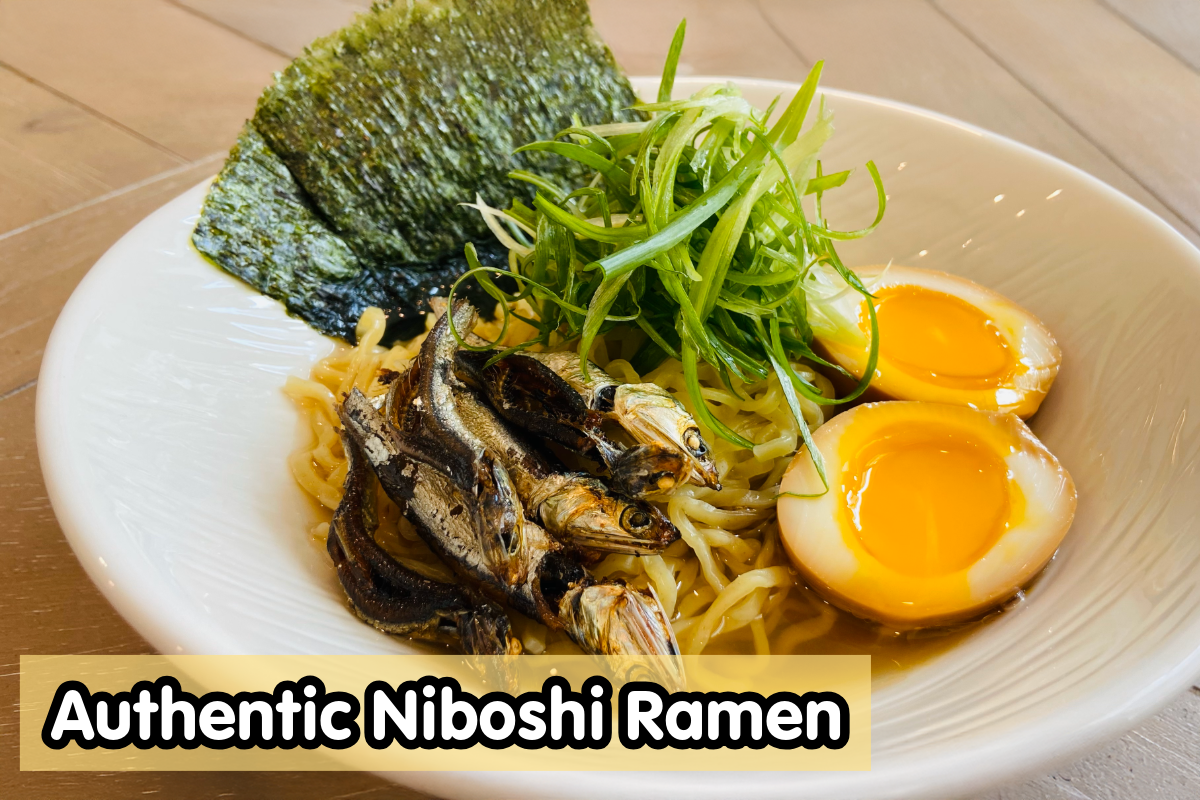
Authentic Niboshi Ramen (Dried Sardine Ramen) Recipe
Looking to recreate bold, savory Japanese ramen at home? This Authentic Niboshi Ramen is made with dried sardines (called niboshi), a rich soy-based tare, and flavorful toppings like ajitama (soft-boiled ramen eggs) and nori. The result is a deeply umami-packed bowl of ramen that feels straight out of a cozy ramen shop in Japan.Whether you're a ramen lover or just curious about Japanese flavors, this recipe is a must-try!
Equipment
- 1 sauce pan
- 1 cooking pot
Ingredients
Noodles
- 5–6 oz fresh ramen noodles or your favorite kind
Niboshi Broth
- 8 oz dried small sardines niboshi
- 5 cups water
- 1 teaspoon Hon-dashi optional but adds depth
- 3 scallion stalks cut into 2-inch pieces
- 1/2 oz dried kelp Kombu (2 pieces, each about 4" x 2")
Niboshi-Infused Oil
- 6 tablespoons lard or neutral oil
- 1 oz dried sardines
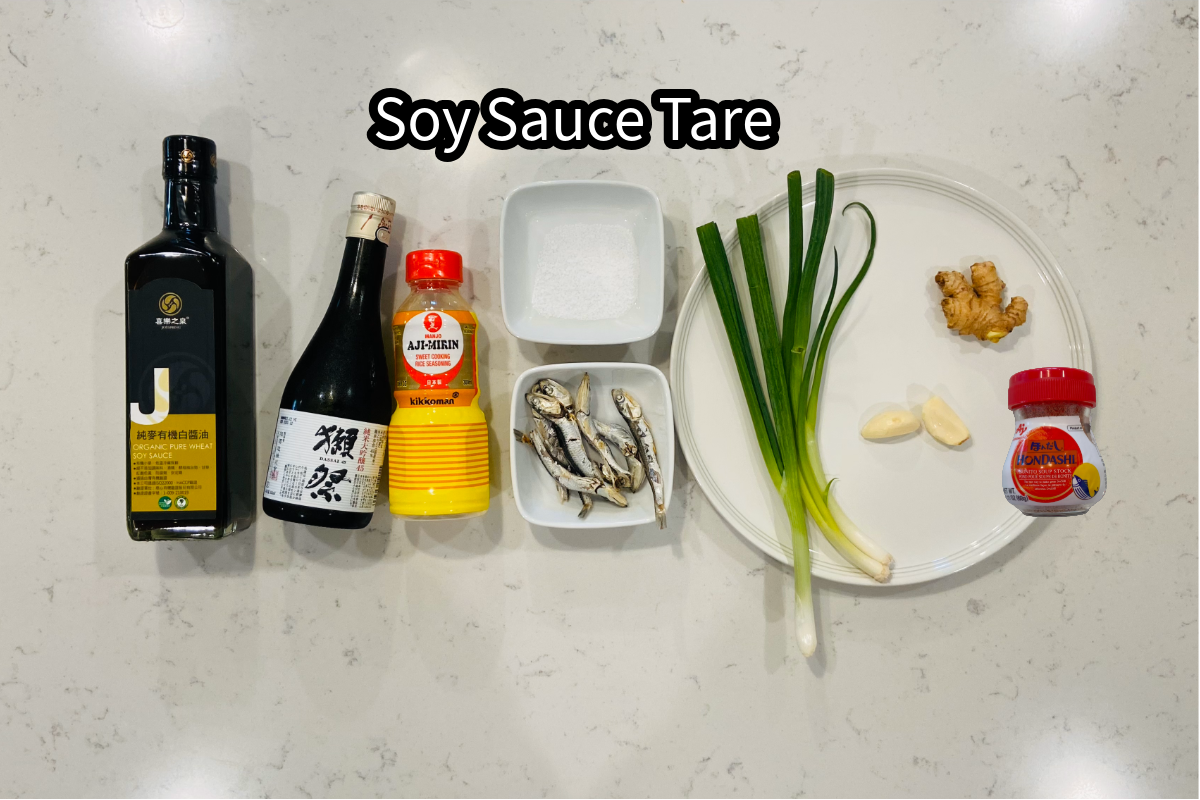
Soy Sauce Tare
- 1 oz dried sardines
- 1 cup water simmered down to ½ cup
- 2½ cups soy sauce
- 3 tablespoons sake
- 3 tablespoons mirin Japanese sweet rice wine
- 1½ tablespoons salt
- 2 garlic cloves roughly chopped
- ¾ inch piece of ginger sliced
- 3 scallions cut into 2-inch sections
Toppings
- 2 sheets roasted seaweed nori
- 1 soft-boiled ramen egg ajitama
- 4 scallion stalks green part only, finely julienned
- 5-6 fried small sardines niboshi
Instructions
Prepare Ingredients
- Start by gathering all your ingredients so everything is ready and easy to access throughout the cooking process.
Prepare the Niboshi Broth
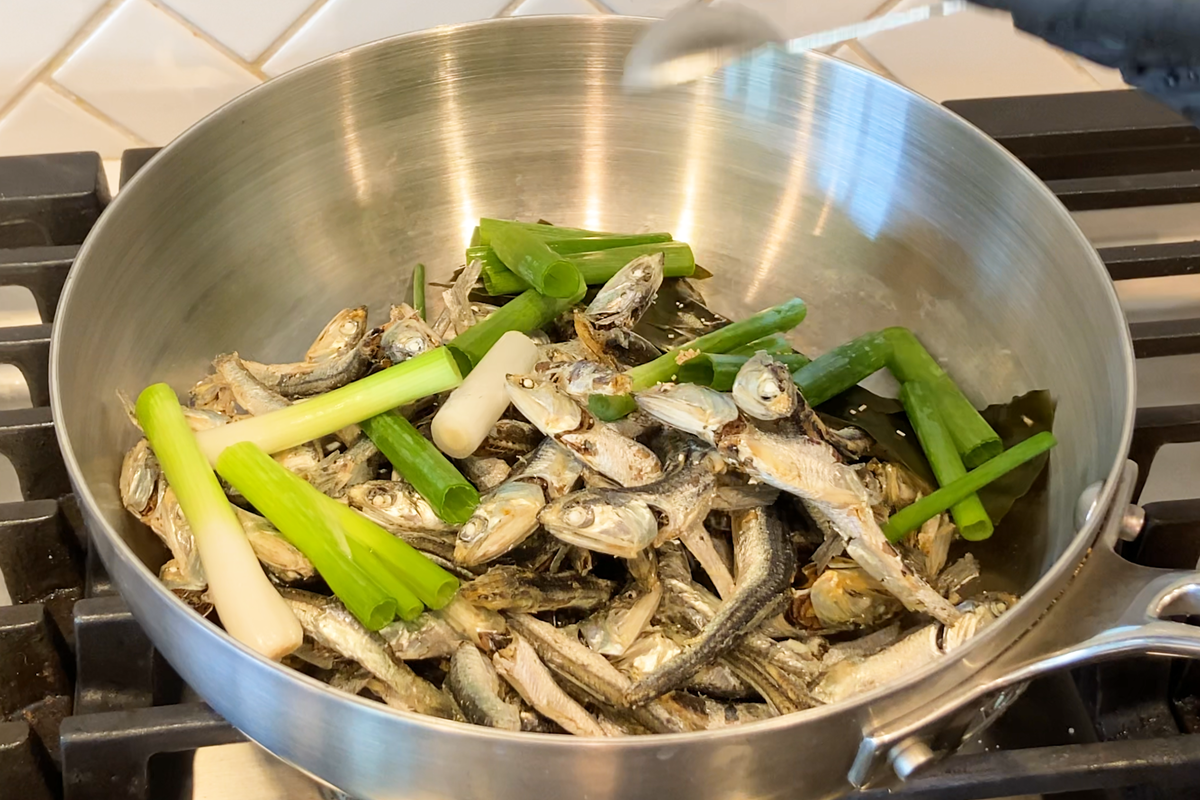
- In a large pot, combine dried small sardines, pieces of kombu, and chopped green onions. Add water and a bit of Hon-dashi if you'd like a stronger umami flavor.
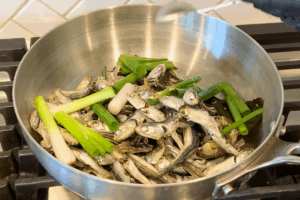
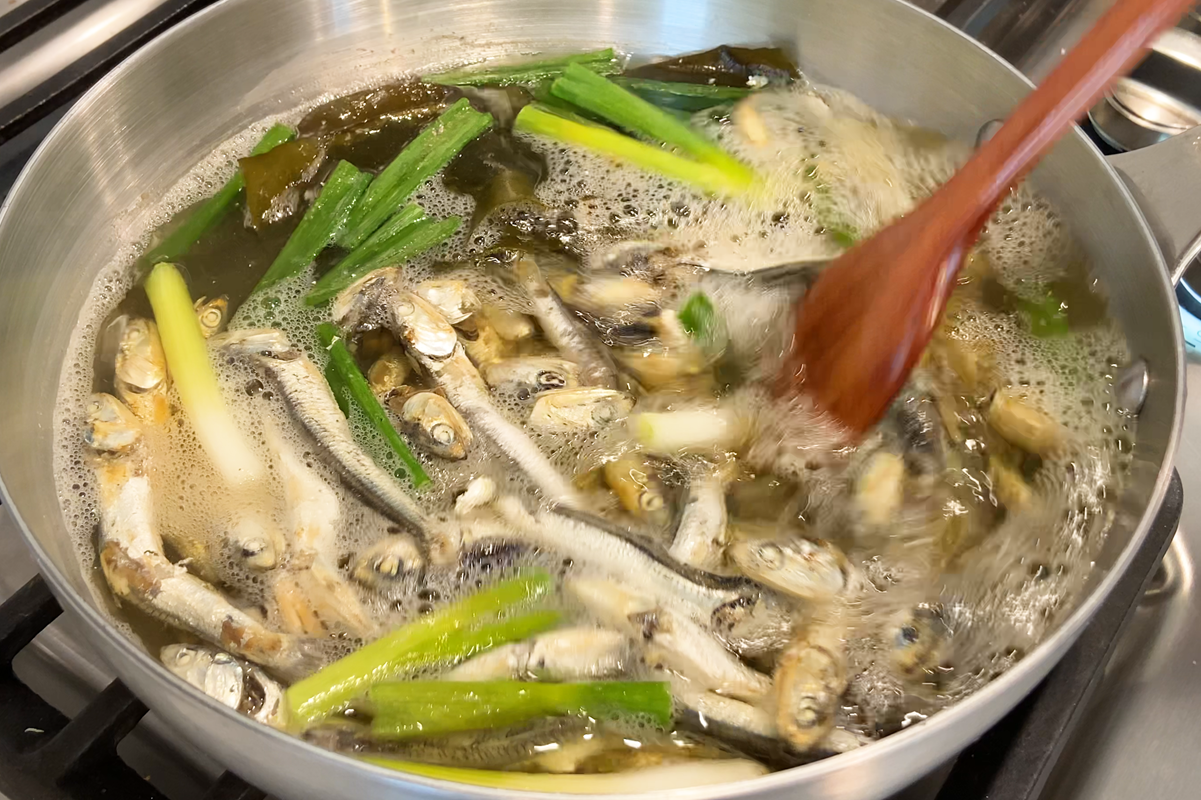
- Bring the mixture to a gentle simmer—keeping it just below boiling—and let it cook slowly for about an hour. Skim off any foam that rises to the surface to maintain a clear, clean broth.
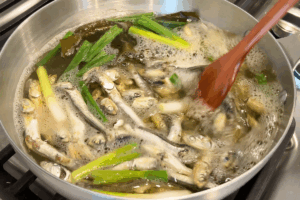
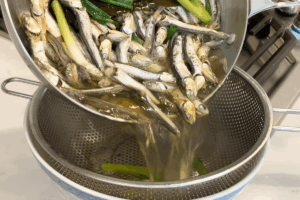
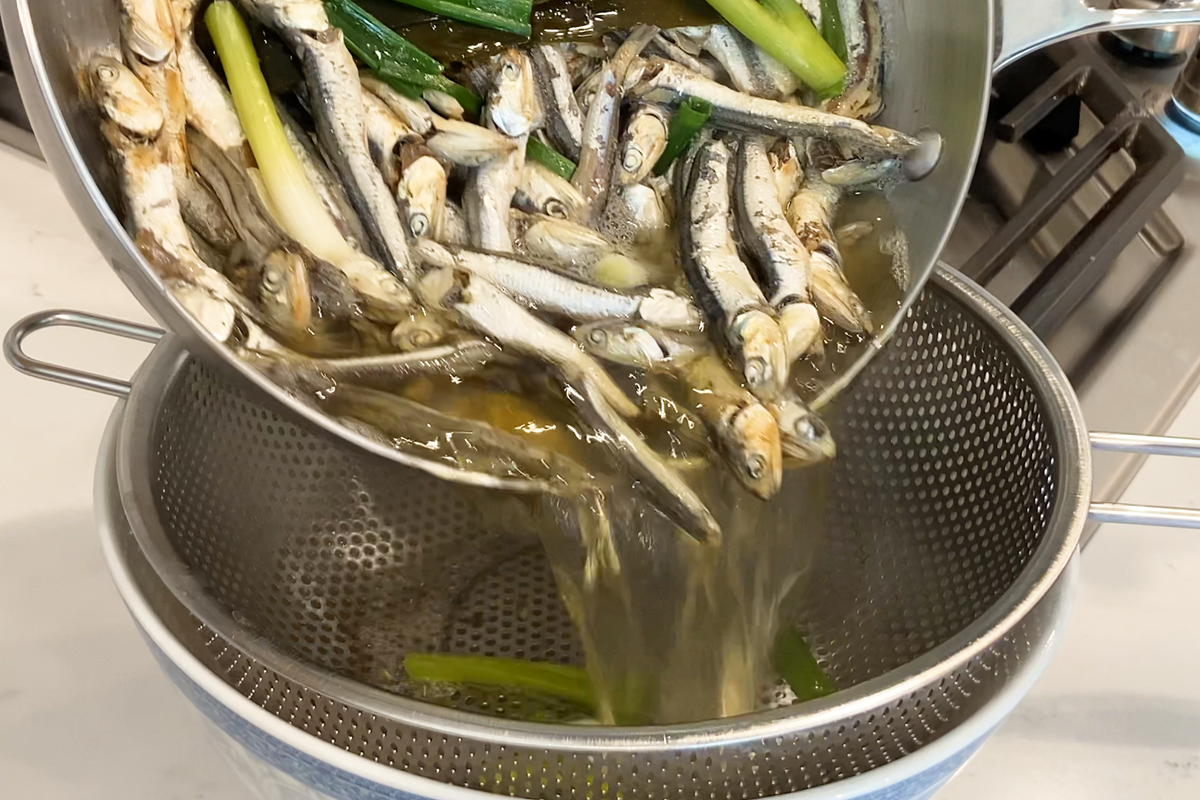
- Once done, strain the mixture through a fine mesh filter, discarding the solids and reserving only the clear broth. Set the broth aside for later use.
Make the Soy Sauce Tare
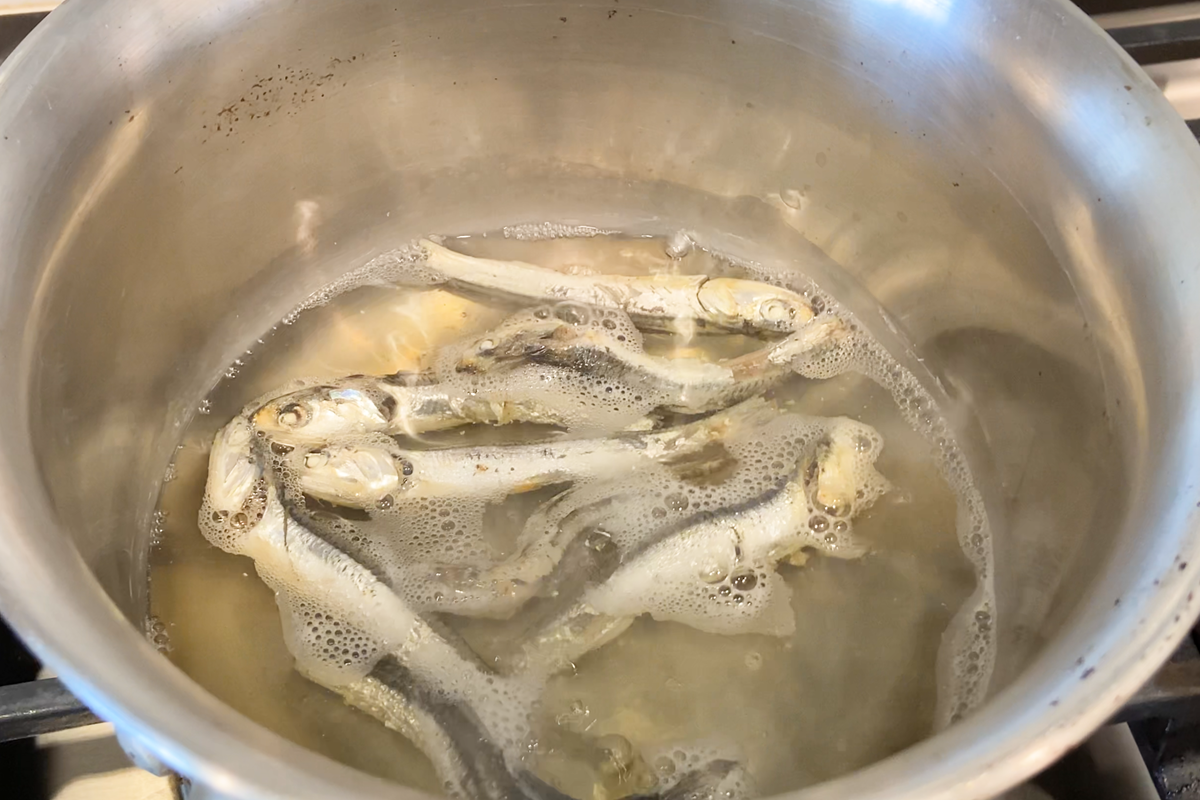
- In a small pot or bowl, soak dried sardines in water for at least one hour. After soaking, place the pot over very low heat and allow the mixture to slowly come to a boil, which should take around 45 minutes. Once it reaches a boil, strain out the sardines and reserve the flavorful stock.
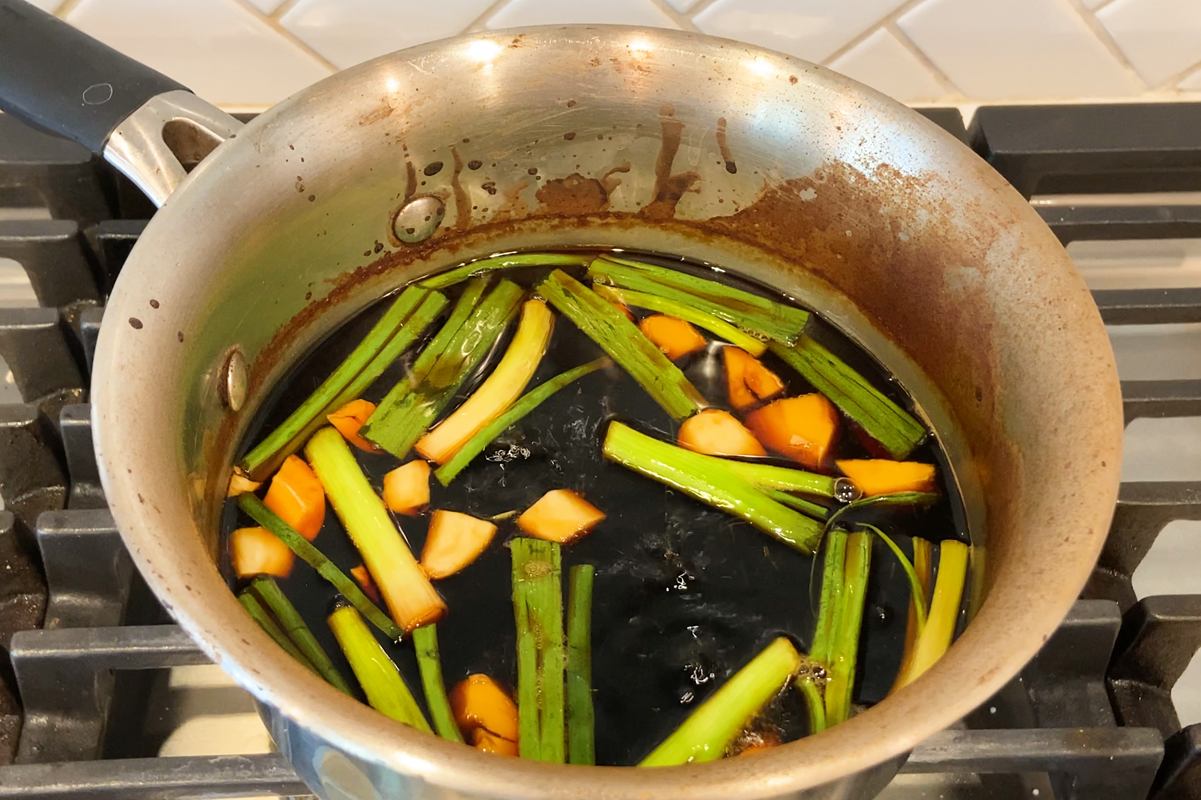
- To this sardine stock, add soy sauce, mirin, sake, salt, chopped garlic, sliced ginger, and chopped green onions. Bring the mixture to a boil, then reduce the heat and simmer briefly. Once done, turn off the heat and let the mixture sit, covered, for two to three hours so the flavors can fully develop.
Make Sardine-Infused Oil
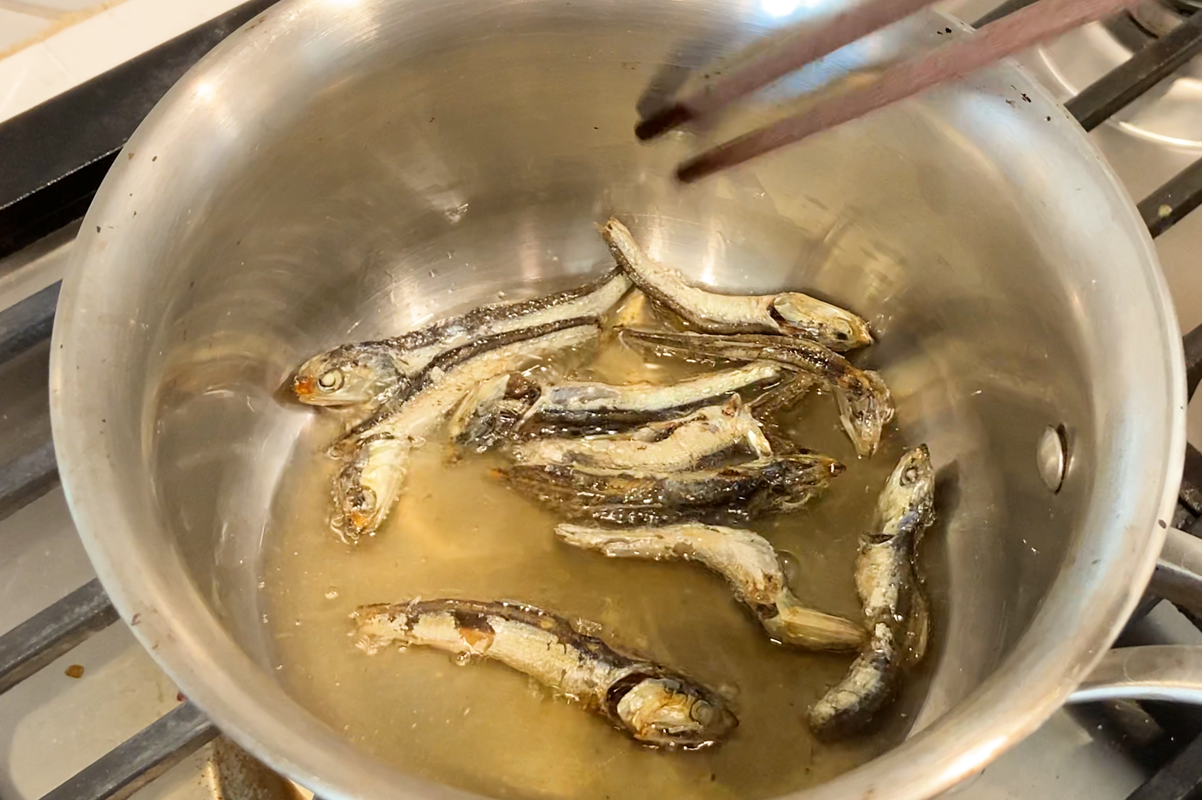
- Heat lard or a neutral oil in a pan over low heat. Add dried sardines and fry them gently for about ten minutes until they turn golden and crispy.
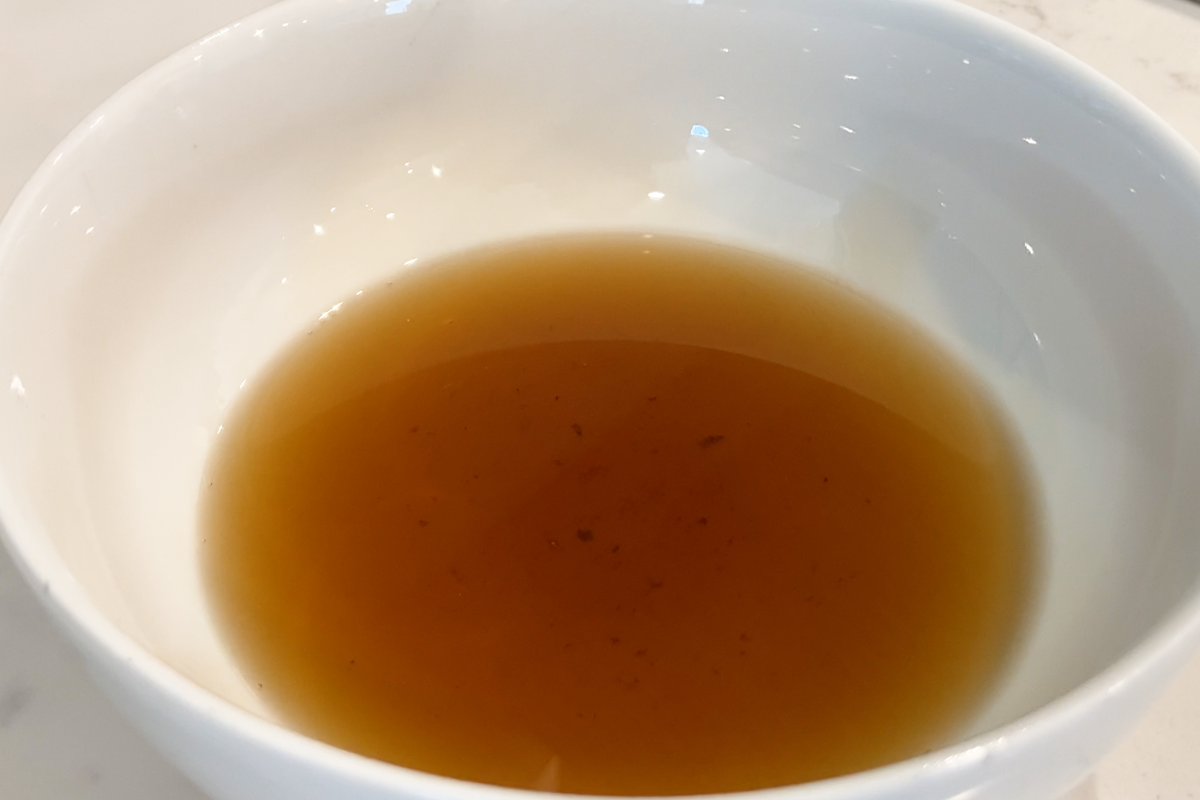
- Strain the oil and set it aside—you'll use this to add extra aroma and depth to the finished ramen. Keep the fried sardines as a delicious topping.
Prepare the Green Onion Garnish
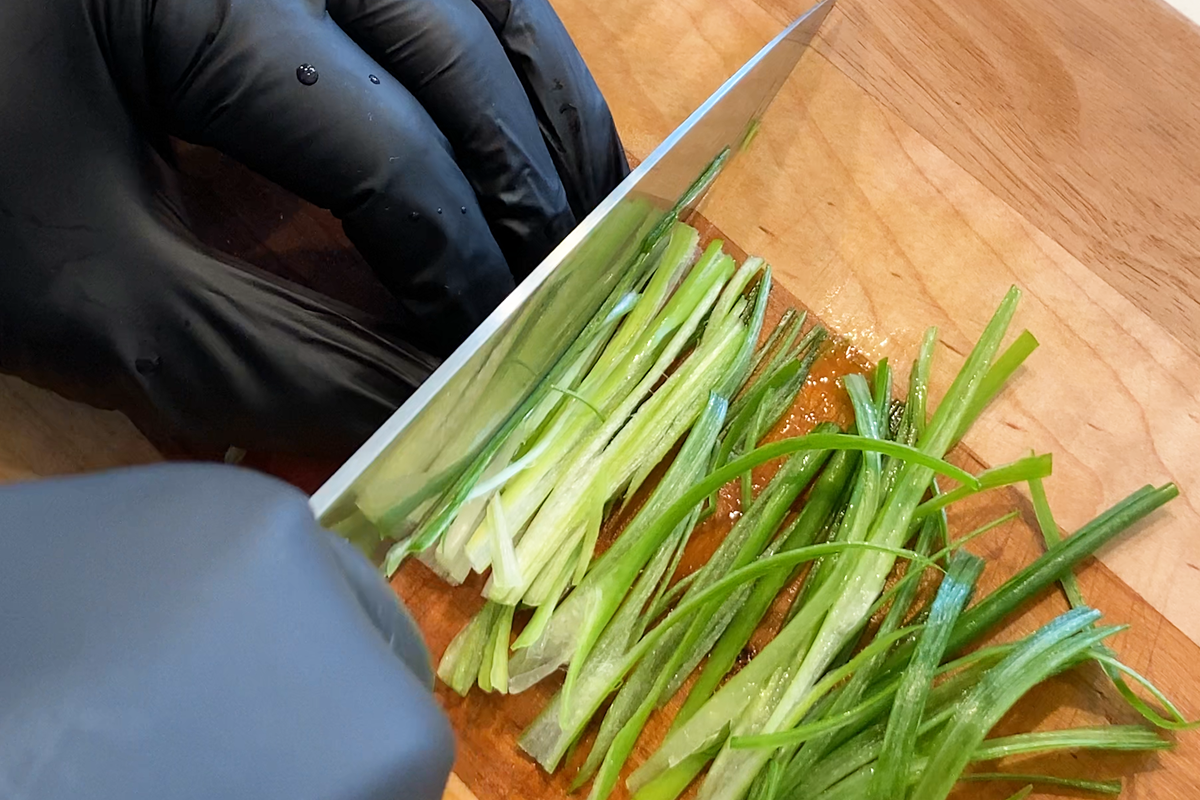
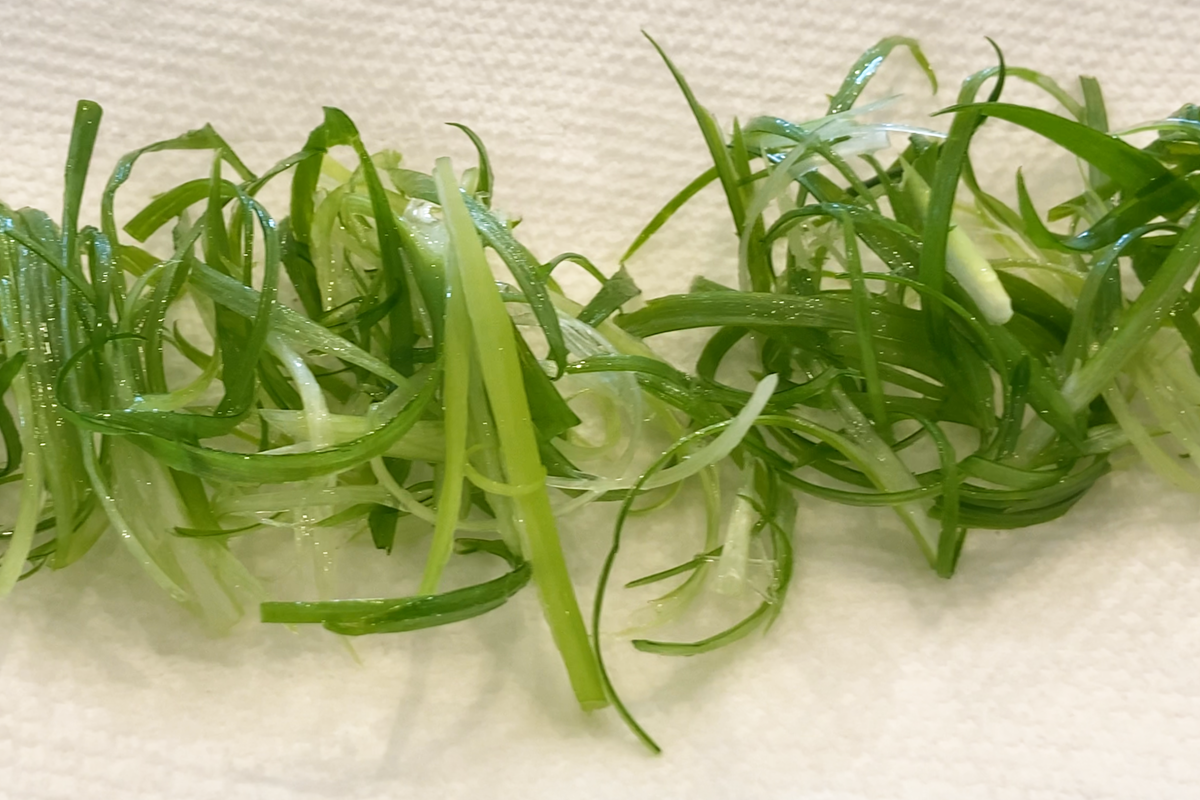
- Finely slice the green parts of your scallions into thin strips. Place them in a bowl of ice water with a few ice cubes.
- Let them soak for 5 minutes while you finish cooking; they’ll curl beautifully and add a refreshing crunch to your bowl.
Cook the Ramen Noodles
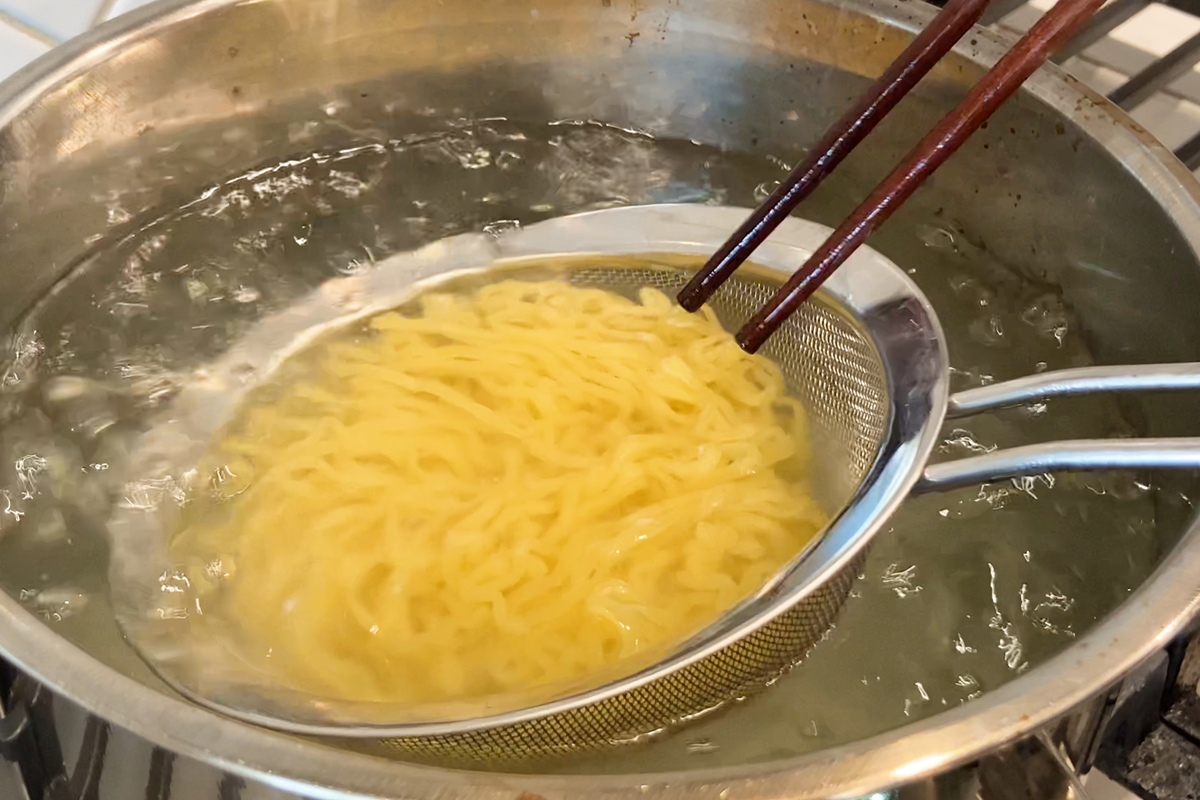
- Bring a pot of water to a boil and add the fresh ramen noodles. Cook just until they’re al dente, then drain and set aside. Fresh noodles usually take around 90 seconds, but adjust based on the type you’re using.
Assemble Your Bowl of Authentic Niboshi Ramen
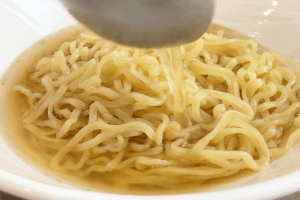
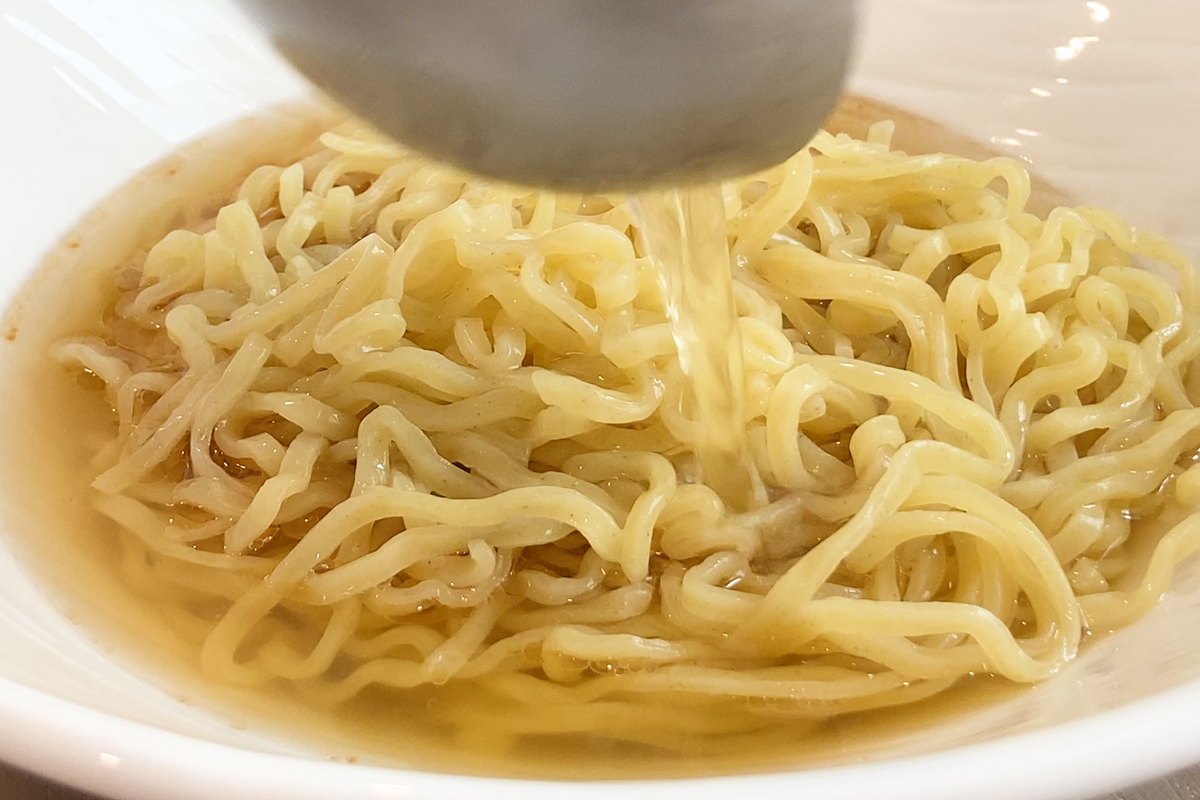
- Start each serving bowl with a spoonful of soy sauce tare, then add a drizzle of sardine-infused oil to deepen the flavor. Add the cooked noodles, and carefully pour in the hot broth until it reaches just below the top of the noodles. This keeps the noodles slightly elevated and ensures a balanced bowl without overflowing.
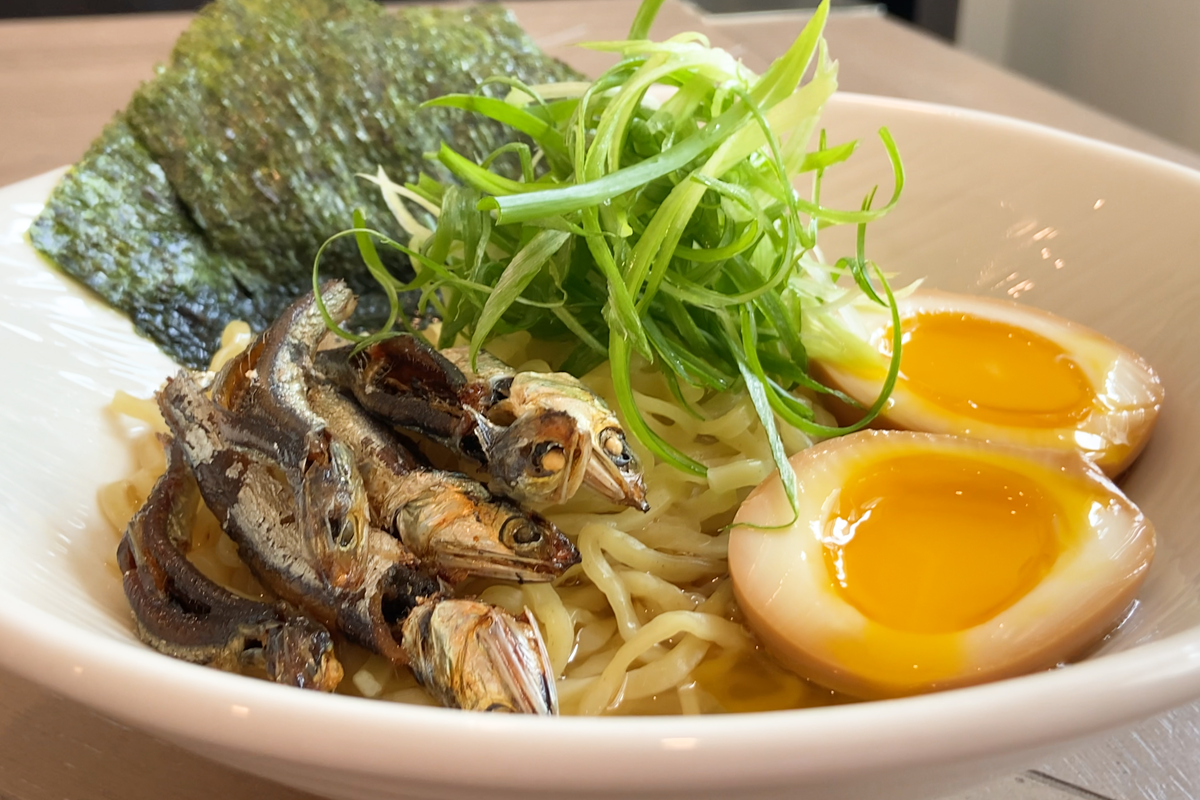
- Top everything with a soft-boiled egg, the crispy fried niboshi, curled green onions, and a sheet or two of roasted seaweed. Finish with a bit of extra tare or oil to taste, and serve hot.
Video
Notes
- Use High-Quality Niboshi: The flavor of your broth depends heavily on the quality of the dried sardines. Look for whole, clean niboshi with no strong bitter smell. If they’re too dark or have loose heads, they may be older and more bitter.
- Don’t Boil the Broth :Always keep the broth just below boiling. Boiling niboshi can cause the broth to become cloudy and bitter. A gentle simmer ensures a clean, umami-rich flavor.
- Let the Tare Rest: After making the soy-based tare, letting it sit for a few hours (or even overnight) helps the flavors mellow and blend beautifully. It also stores well in the fridge, so you can make it ahead of time.
- Use Fresh Ramen Noodles: Fresh noodles make a big difference in texture and taste. If unavailable, high-quality dried or frozen noodles work too—just adjust cooking time accordingly.
- Keep an Eye on the Oil: When frying niboshi for the infused oil, use low heat and monitor them closely. You want a golden crisp, not burned fish, which will turn the oil bitter.
- Make It Ahead: The broth, tare, and oil can all be made a day in advance. Store them in the fridge and just reheat when you’re ready to assemble. This makes weeknight ramen much easier.
Nutrition
Calories: 650kcal
Tried this recipe?Let us know how it was!